AI Won't Kill Software Jobs. It Will Kill the Bullshit Around Them
Every week, tech leaders claim AI will end software development. But look past the sales pitch. AI isn't destroying engineering—it's exposing the padding, burning away the bloat, and returning leverage to the client.

Featured Analysis
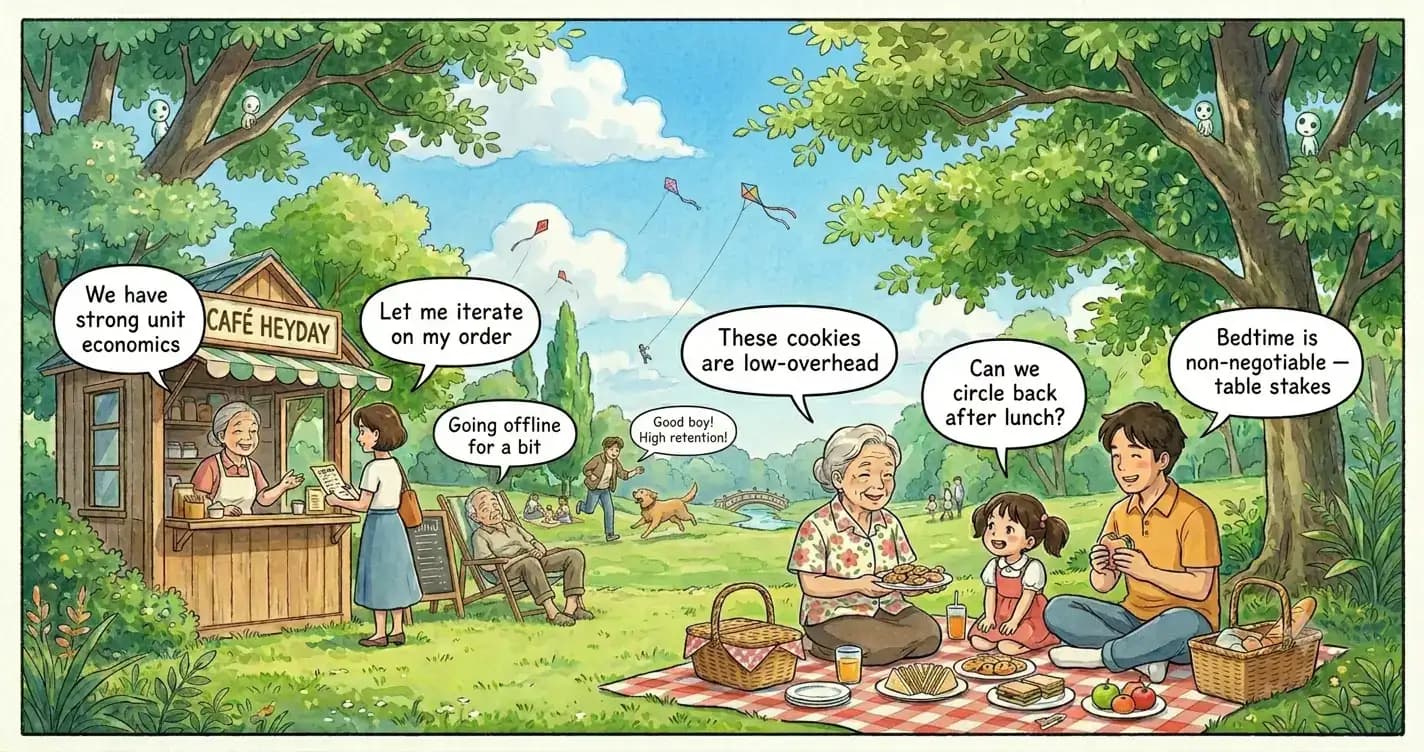
The Rise of Valleynese (or, "Why Everyone is Starting to Sound Like a Tech Bro")
AI is the largest force ever applied to homogenising the register in which the human race writes. Bigger than Hollywood, which only gave us 'cool' and 'OK.' Bigger than global pop, which only gave us 'vibe' and 'lit.' Neither ever drafted anyone's emails or rephrased the message a daughter was sending her father. AI does all of this, all day, for hundreds of millions of people.
 Jeetendra ChandragiriRead article →
The Disappearing App
In 2017, Walt Mossberg predicted the computer would disappear. He was right. Eight years on, something similar is happening to the app. For an industry that has spent two decades measuring itself in downloads and daily active users, this is not a small shift. It is a reordering of how value gets created in technology.
Jeetendra ChandragiriRead article →Explore Archive

Why Sales Transformation Fails After Training
Sales training does not always change how a team sells. Find out why salespeople return to old habits and how managers can help them apply new methods to customer conversations and deal reviews.

Return-to-Office Reversal: Why Companies Are Changing Their Plans in 2026
Return-to-office plans are changing again in 2026. As some companies face employee resistance and talent loss, leaders are being forced to rethink strict office mandates and what they mean for retention.

Why Your Best Employees Leave Even After a Pay Raise
Good employees do not always leave because another company offers more money. Poor management, limited growth, heavy workloads, and feeling undervalued can lead people to look elsewhere—even when the salary is good.
Your Business Is Paying for Software Nobody Uses
Businesses can end up paying for dozens of software tools that employees rarely or never use. A simple software audit can help identify unused subscriptions, duplicate tools, and unnecessary licences before they renew.

Why M&A Deals Don’t Deliver as Expected
Many mergers look successful on paper but struggle after closing. Here’s why integration, people and execution can determine whether an M&A deal delivers its expected value
A Strategy Without a System Is Just a Document
A strategy can set the direction, but without a system for execution, it can remain just a document. Here’s how organisations can turn strategic priorities into everyday action.