- 01Single native app integrating five enterprise systems — ERP, CRM, SFA, WMS, and TMS — into one unified field interface
- 02Offline-first architecture built to operate reliably across a 45-country network with variable connectivity and infrastructure
- 03Platform designed for multi-literacy retailer populations, with UI adapted for varying levels of digital fluency across East African markets
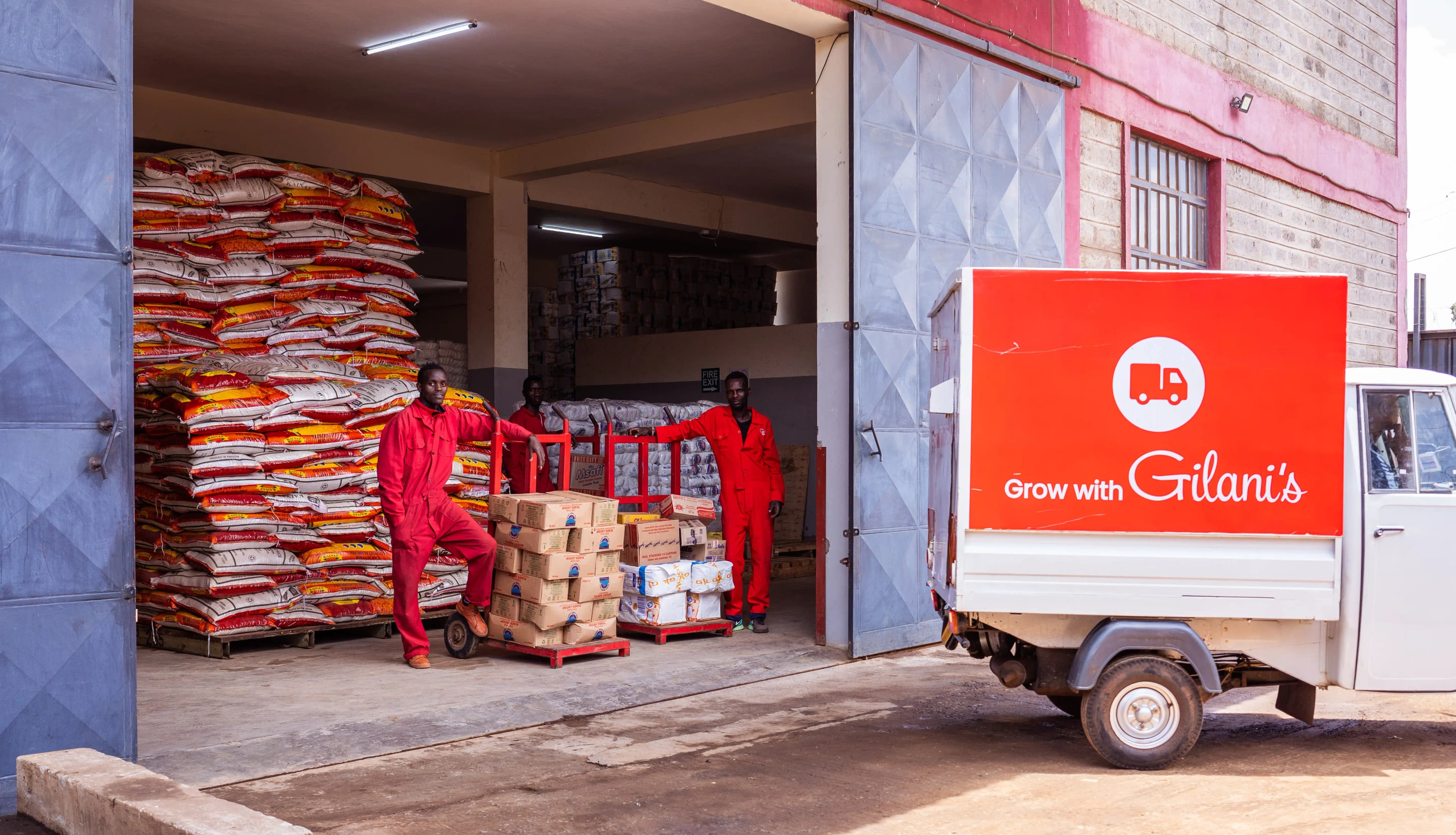
Gilanis Distributors operates one of East Africa's largest FMCG distribution networks across 45 countries, thousands of retailers, and a field sales force operating across markets with radically different infrastructure, connectivity, and digital literacy. At that scale, the logistics of tracking orders, managing sales force performance, and maintaining visibility across the distribution chain are not operational problems. They are structural ones.
The core issue wasn't that Gilanis lacked systems. They had them — ERP, CRM, SFA, WMS, TMS — each doing its job in isolation. What they didn't have was a way to surface those systems in the field, where the actual commercial relationships live. Field sales agents were navigating between disconnected tools, manual reporting, and patchy mobile infrastructure. Retailers had no digital touchpoint with Gilanis at all. And the company had no real-time view of what was happening on the ground — which meant that the gap between what was planned and what was actually happening in each territory only became visible after the fact, when it was too late to act on it.
We built a platform that's designed from the ground up for the realities of field distribution in emerging markets. The platform unified Gilanis's enterprise systems into a single, offline-capable interface for both field agents and retailers.
The architecture decision that shaped everything else was offline-first. Across a 45-country network, connectivity cannot be assumed. We built local data persistence using Room and SQLite, with background sync via Firebase Cloud Messaging, so the app remains fully functional in low-connectivity conditions and reconciles with the backend when a connection is available. Field agents can execute their full workflow including order capture, stock visibility, customer management, and visit logging, without depending on network availability.
The integration layer was the second major workstream. Rather than building around Gilanis's existing systems, we connected to them, piping ERP, CRM, SFA, WMS, and TMS data into a single interface through a microservices backend, with MongoDB handling unstructured operational data and PostgreSQL managing relational records and transactional integrity. The result was a platform where a field agent sees a unified view: their customer's order history, outstanding balances, stock levels, delivery status, and recommended next actions all in one place, without switching between systems.
The retailer-facing experience required a different design philosophy. We built for a population spanning a wide range of digital literacy and language backgrounds. The interface where simple primary actions surfaced immediately, with deeper functionality accessible but not obtrusive. We supported multiple interaction patterns designed to reduce friction for first-time smartphone users. A recommendation engine surfaces the most relevant products and reorder prompts based on the retailer's purchase history and category patterns, reducing the cognitive load of a full catalogue browse.
The platform also introduced payment gateway integration and the groundwork for financial services, giving retailers access to cashflow tools and purchase credit within the same interface they use to manage their orders.
The Gilani’s platform helped move a traditionally manual B2B distribution process into a more structured digital commerce environment.
Customers gained a simpler way to register, browse, and place orders. Internal teams gained better control over customer mapping, account workflows, and ERP-connected order processing. The business also gained a foundation for scaling digital commerce without replacing its existing operational systems.
Most importantly, the platform connected the customer-facing buying experience with Gilani’s backend distribution infrastructure, creating a bridge between modern commerce expectations and the realities of B2B fulfilment.
- Cloud & Infrastructure
- Platform Engineering
- Data & AI
- Digital Experience
- Enterprise Integration

Could Ecommerce OS work for your organisation?
E-commerce
Have a similar challenge?
We bring the same product-building discipline to every engagement. Let's discuss how we can help.
Let's Talk