Process Should Speed Up Work. Not Slow It Down.

Why more process doesn’t always mean better performance
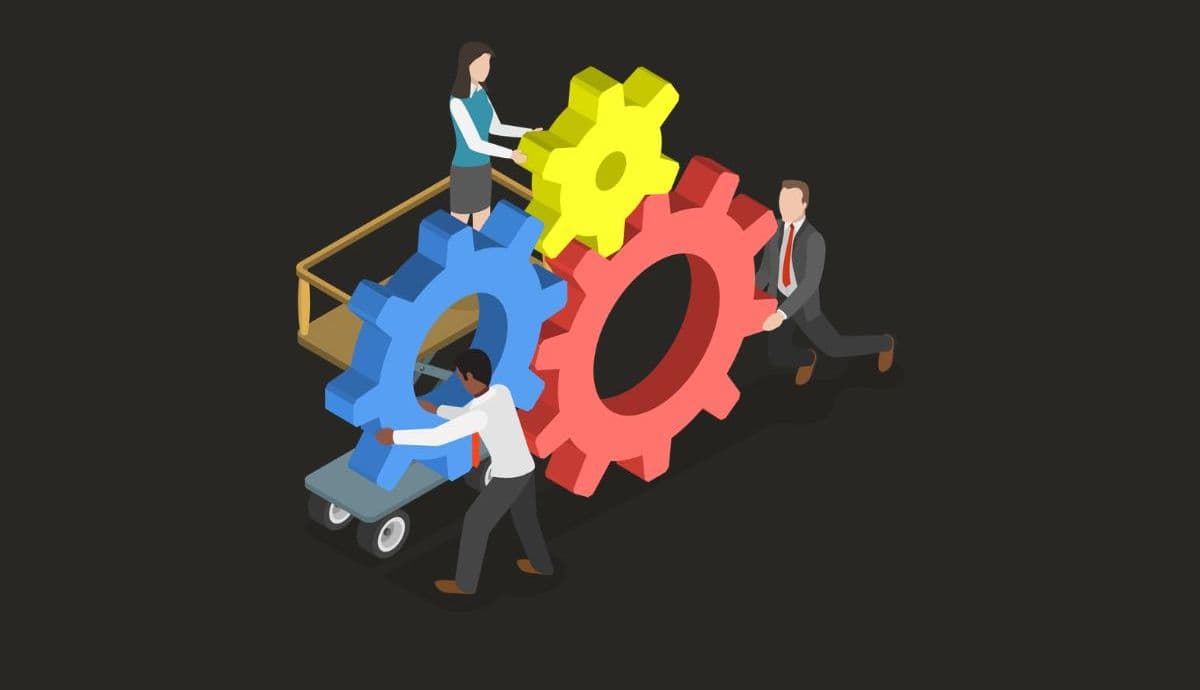
In an attempt to improve efficiency, a SaaS company introduced more approvals, more updates, and more structured workflows across teams. The intention behind the changes was understandable. They wanted better visibility, coordination, and clearer tracking of ongoing work. Initially, the new workflow looked more organised. But over time, everyday work started slowing down
Approval begins piling up. Small decisions take longer than they should. Teams spend more time following up, updating statuses, and waiting for responses than actually finishing the work itself.
The extra structure was meant to improve control, but it started creating delays across teams.
This is something many growing businesses run into without realising it immediately. A report by Asana found that 60 % employees spend a significant part of their workweek coordinating work through meetings, emails, approvals, and status updates instead of focusing on skilled, high-value work. As workflows become more layered, simple tasks often become slower to complete.
After reviewing how work moved between teams, unnecessary approval steps were removed, and workflows were simplified so routine tasks could move without getting stuck between multiple checkpoints. Manual follow-ups were reduced, and teams no longer had to wait on several sign-offs for smaller decisions before continuing work.
As the workflow became easier to move through, day-to-day execution also became smoother. Teams spent less time managing updates and approvals, while work moved faster between departments with fewer delays and bottlenecks. The focus was not on removing structure completely, but on keeping only the processes that genuinely helped work move forward.
Good operations are not built by adding more layers to every workflow. They are built by understanding where friction exists and removing the parts that slow teams down unnecessarily.
Because processes should support execution, not stand in its way.

About Caryn Putman
Caryn leads our product philosophy, bridging the gap between user needs and technical feasibility. Her work focuses on defining critical product roadmaps, orchestrating seamless user experiences, and ensuring absolute product-market fit. She fundamentally believes that functional commercial software must also be impeccably designed and profoundly intuitive.